Intro - luxe
Gauche
header-cas
Challenge
Rethink the experience of O.zen, an Ubisoft game dedicated to cardiac coherence, to turn it into a mobile, simple, and effective solution for managing stress at work.
Solution
Through an 18-month entrepreneurial journey, SOUFFL reinvented the user experience, designed and tested a new physiological sensor and validated the concept with early adopters and distributors, repositioning O.zen as a connected wellness experience rather than a game.

From game to wellness.
Designed by Ubisoft, O.zen began as an experimental game to democratize cardiac coherence a breathing-based stress management technique. Yet in its original desktop version, the product struggled to find its audience. Ubisoft and Souffl decided to take it out of internal processes and treat it like an independent startup. Over 18 months, Souffl led a true entrepreneurial journey, reinventing the user experience and transforming O.zen into a connected well-being tool, simple, mobile, and seamlessly integrated into daily life.
Meeting North America’s early adopters.
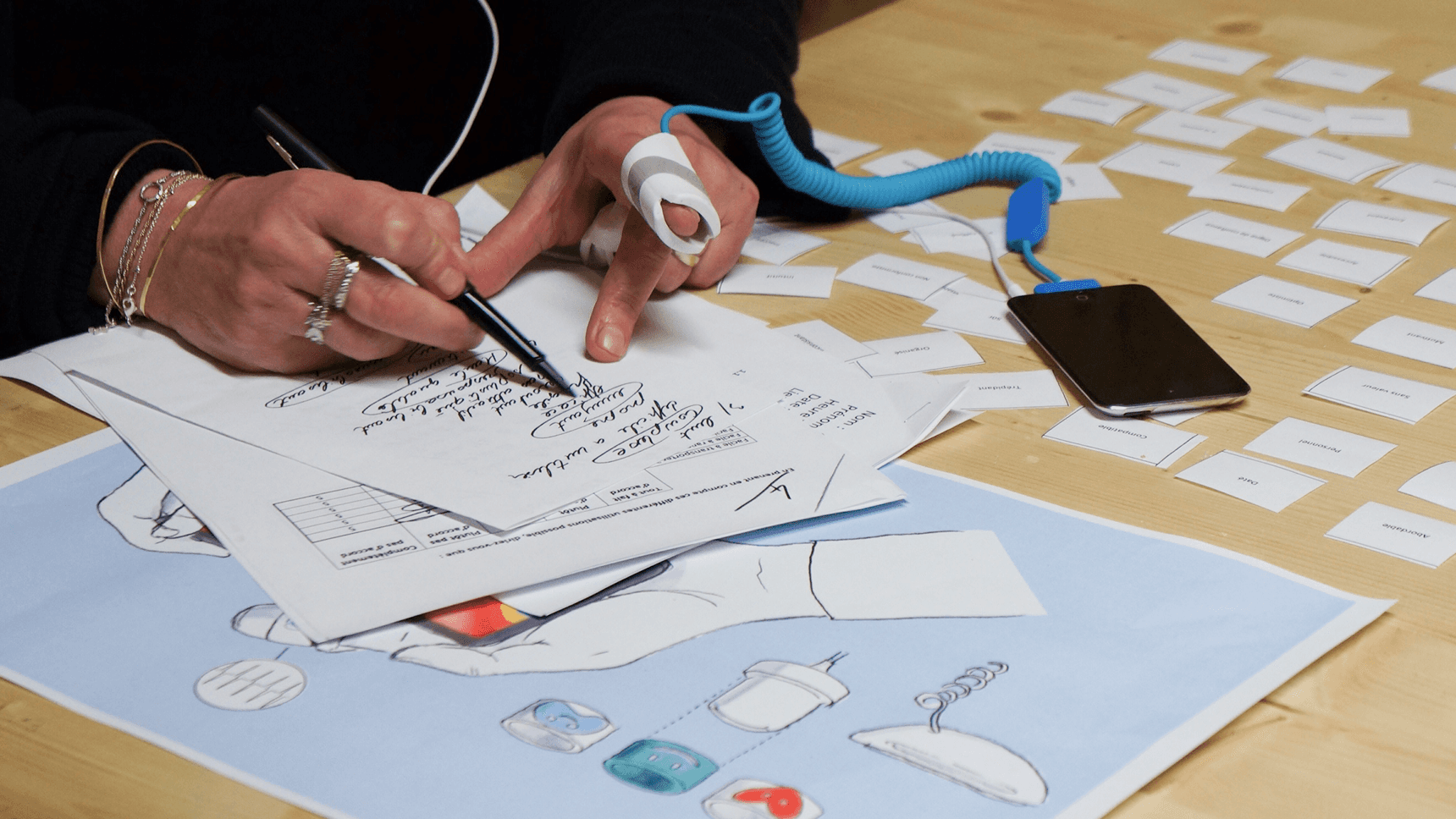
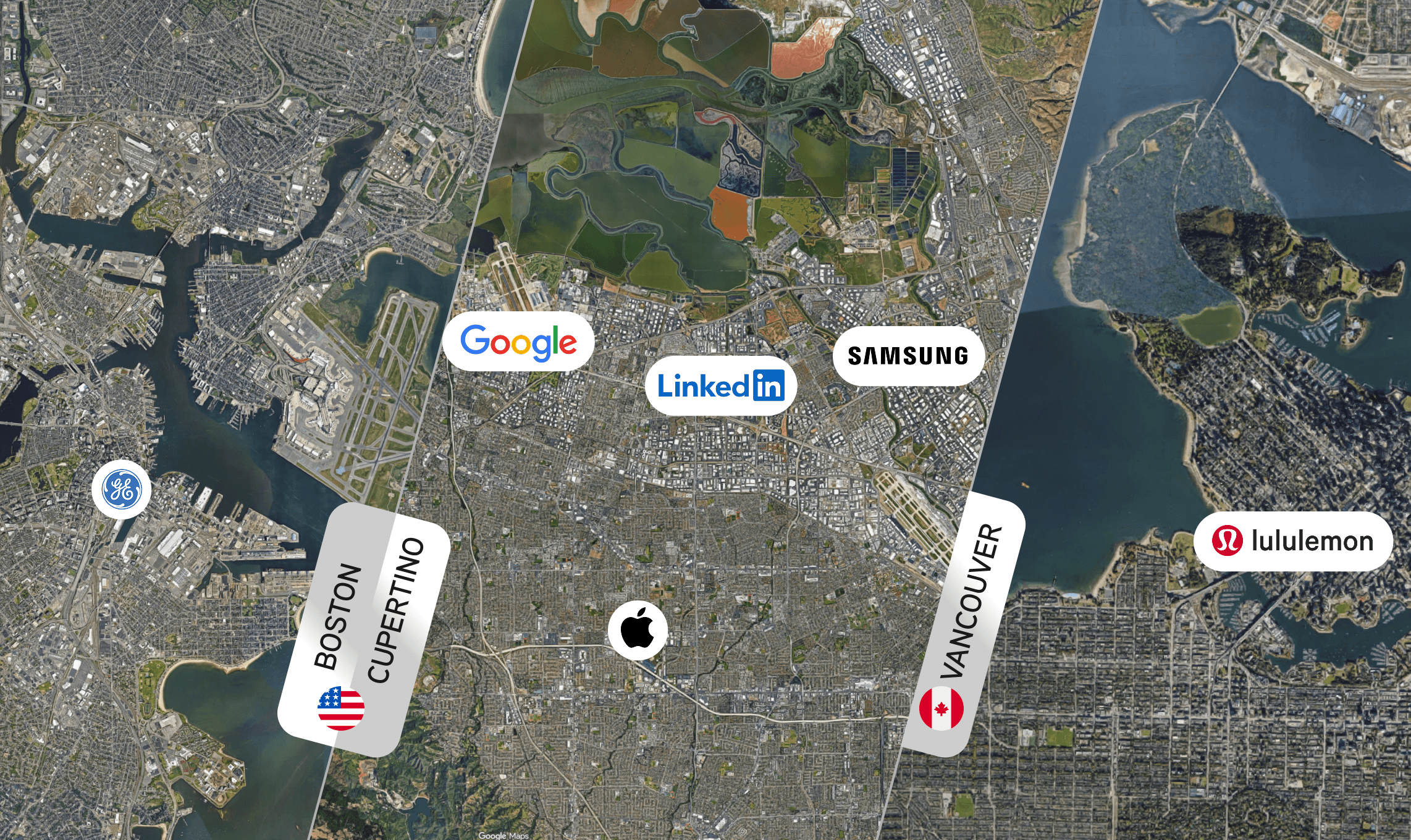
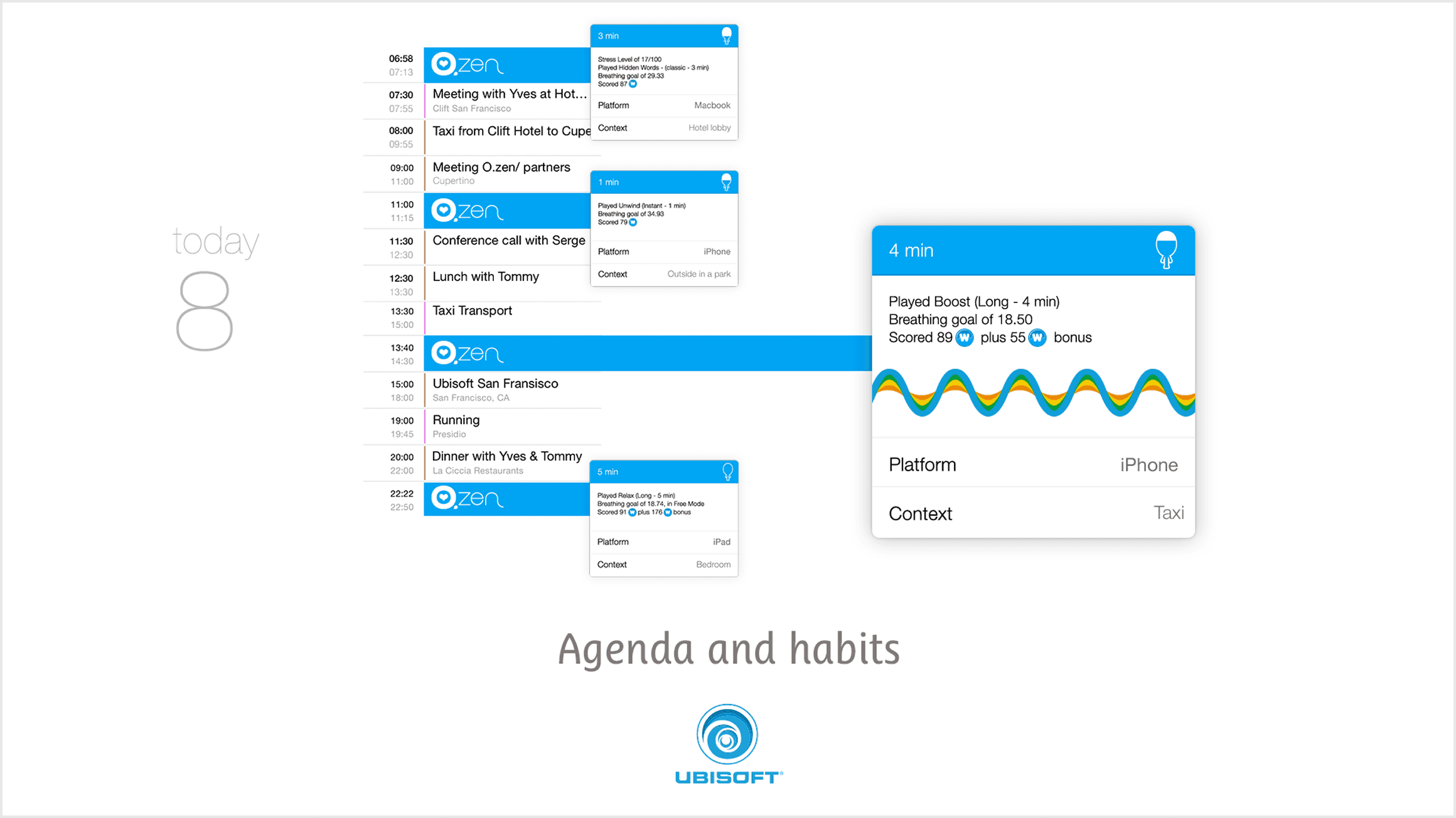
Initially, the project followed a B-to-B-to-C strategy. The team traveled to North America, convinced that a playful stress-management tool could appeal to tech companies. In the U.S, feedback was enthusiastic and the timing ideal, as the newly launched Obamacare plan encouraged employers to care for their employees’ mental health. Yet one crucial insight quickly emerged: employees rejected desktop tools. Constantly on the move, they wanted mobile, intuitive experiences, accessible between meetings, during commutes, or at their desks. A second challenge soon appeared: the B-to-B model proved too complex, requiring heavy customization and even FDA approval, making it unsustainable within Ubisoft’s development cycles.
Inventing a new kind of connected wellness.
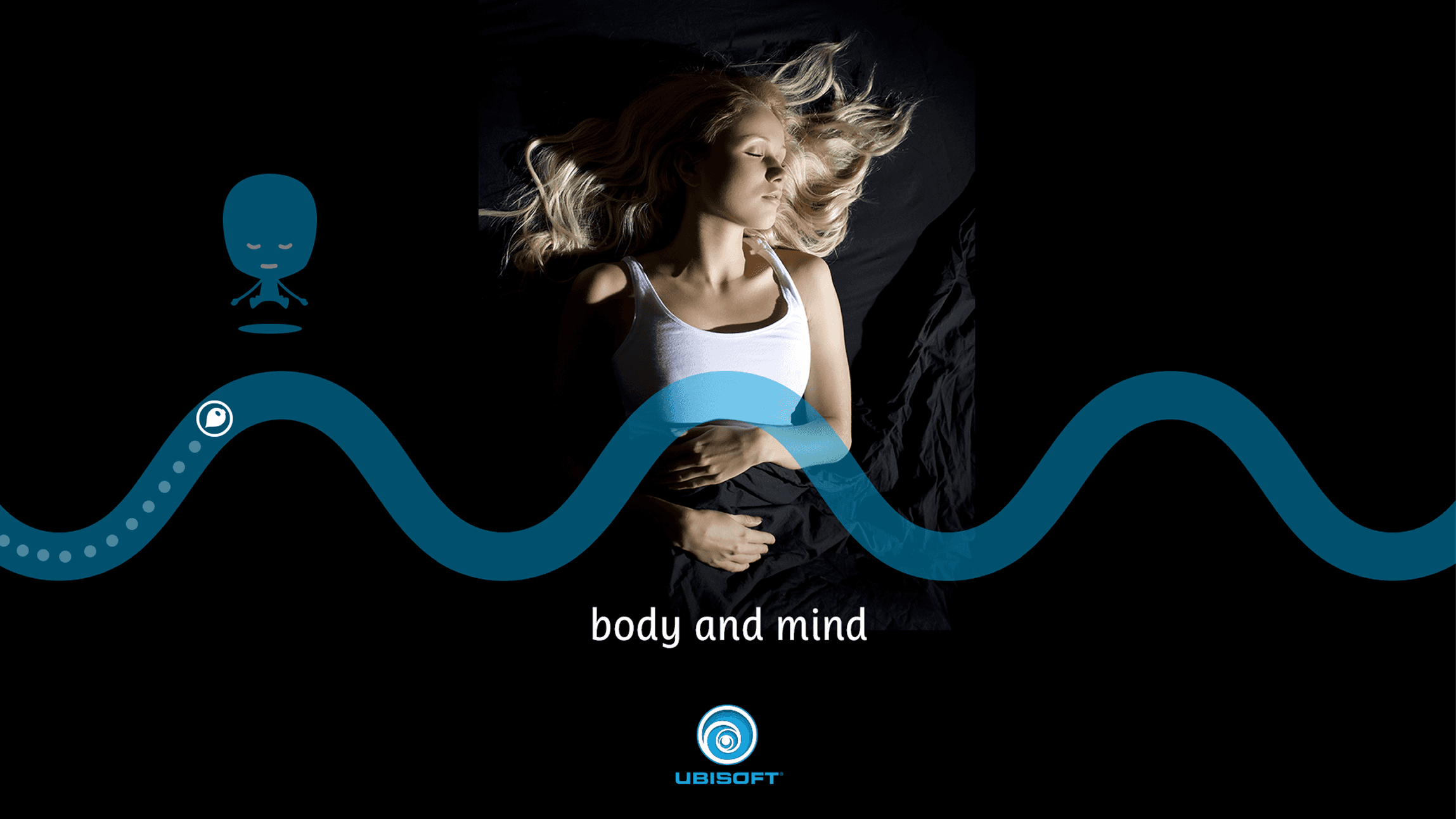
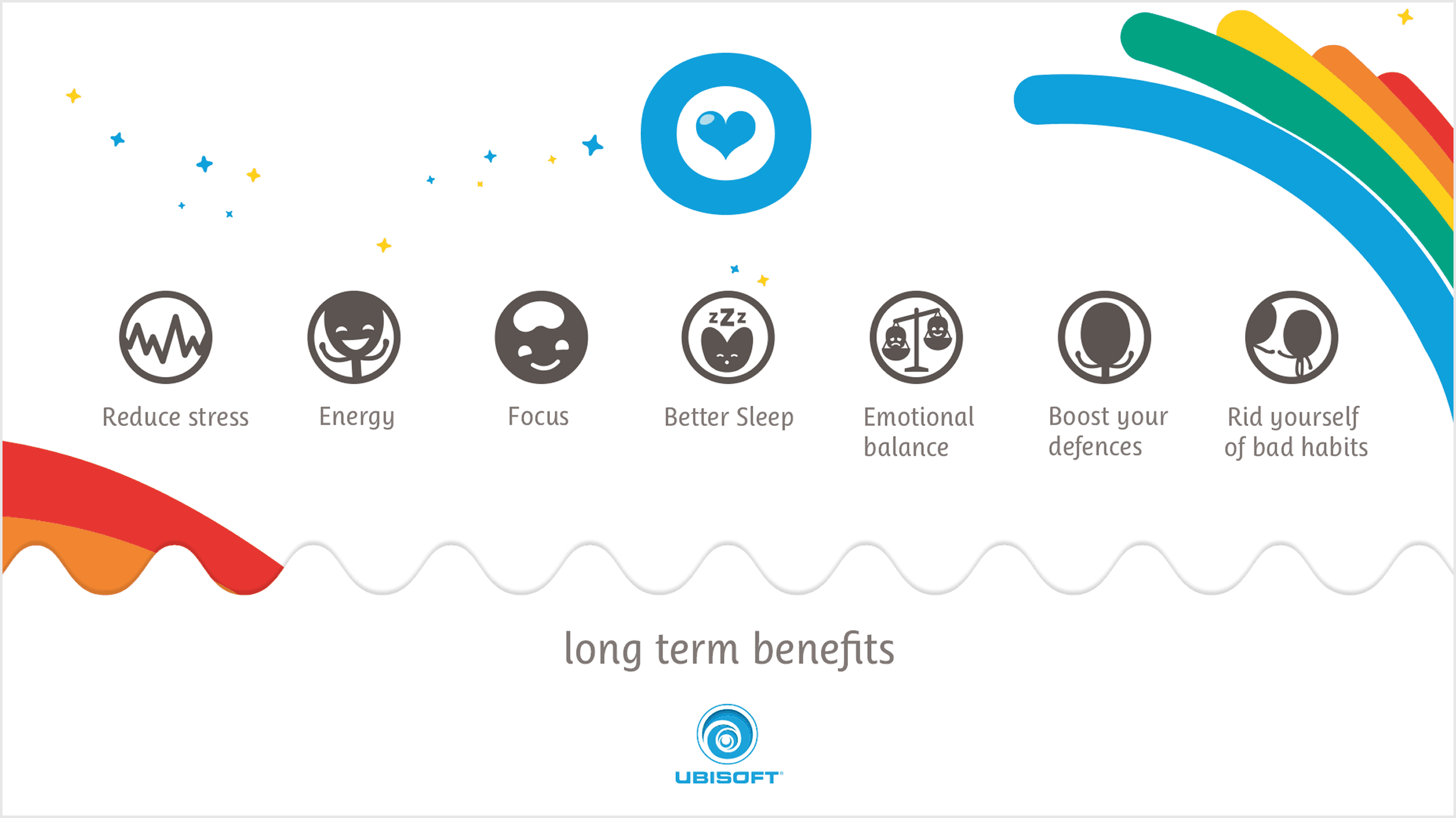
O.zen didn’t fit any existing category, it wasn’t a video game, a health app, nor a meditation tool. Rooted in the science of cardiac coherence, it had to invent its own space. Drawing on field insights, SOUFFL reimagined O.zen as a mobile, intuitive, and emotional experience, designed for short, everyday moments of mindfulness. The vision became clear: breathe better to live better. The complex B2B2C model gave way to a direct online strategy, faster, lighter, and inspired by startups. As the wearables market exploded, with Apple, Google, and Samsung seeking meaningful health applications, O.zen emerged as a pioneer of connected wellness for real life O.zen didn’t fit any existing category, it wasn’t a video game, a health app, nor a meditation tool. Rooted in the science of cardiac coherence, it had to invent its own space. Drawing on field insights, SOUFFL reimagined O.zen as a mobile, intuitive, and emotional experience, designed for short, everyday moments of mindfulness. The vision became clear: breathe better to live better. The complex B2B2C model gave way to a direct online strategy, faster, lighter, and inspired by startups.
As the wearables market exploded, with Apple, Google, and Samsung seeking meaningful health applications, O.zen emerged as a pioneer of connected wellness for real life.
Breathing as a creative concept.
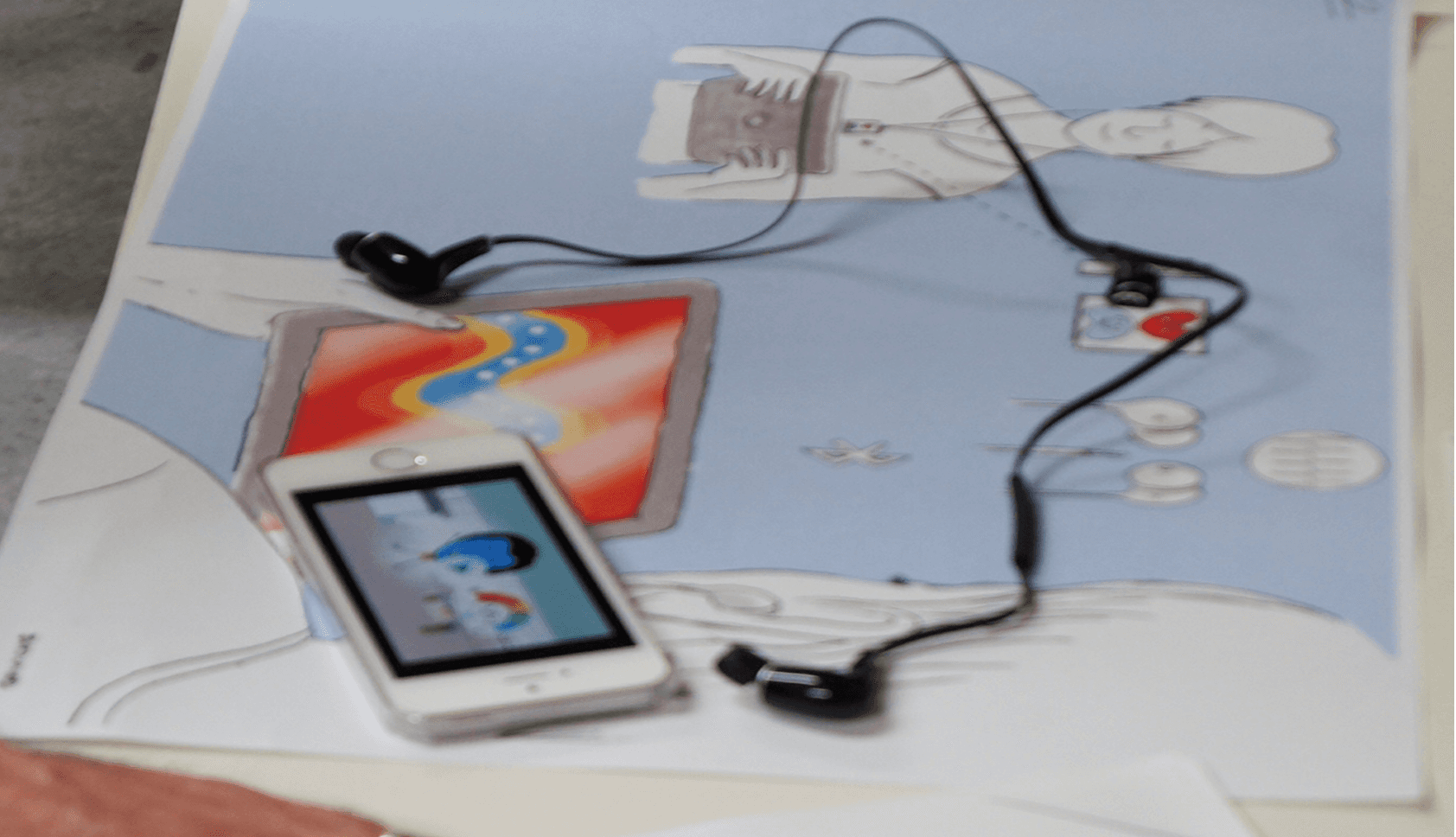
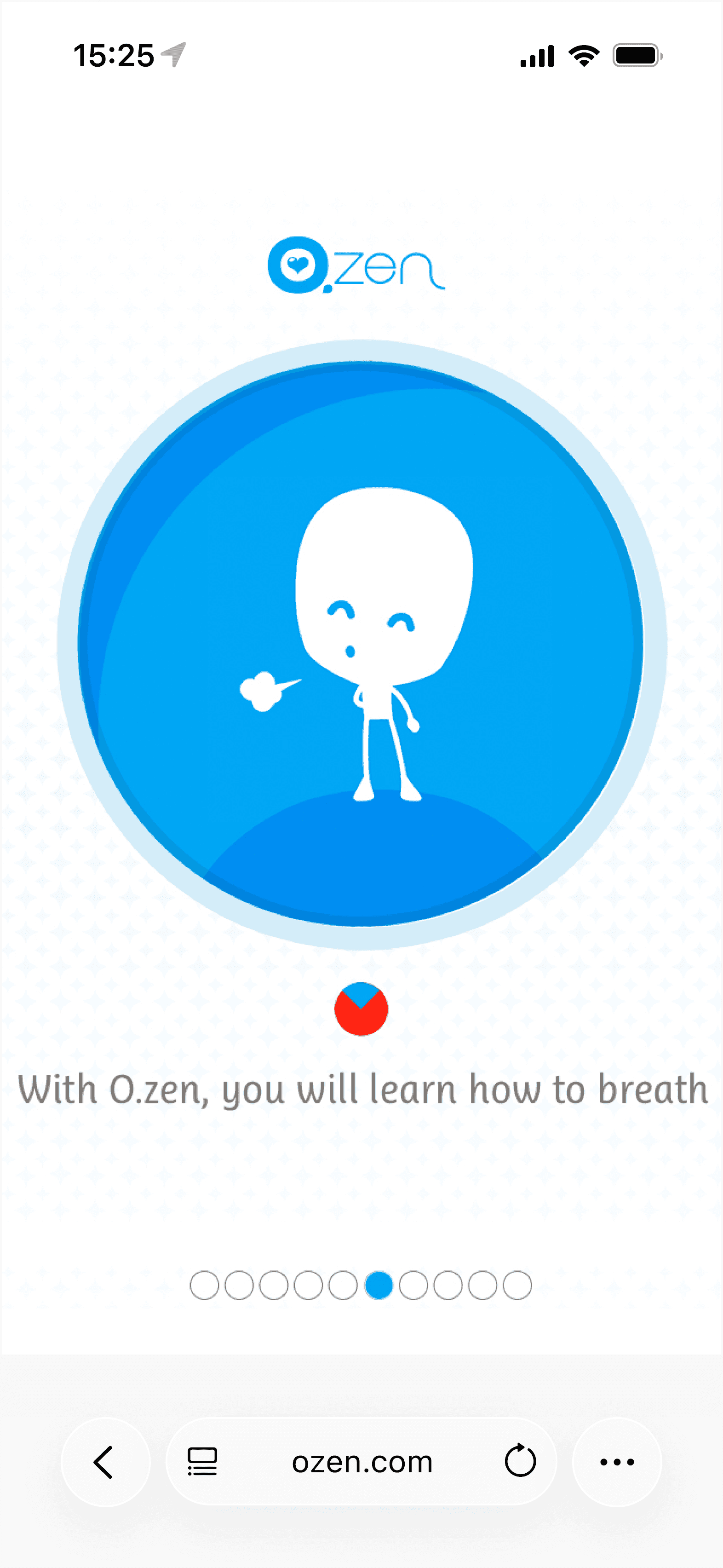
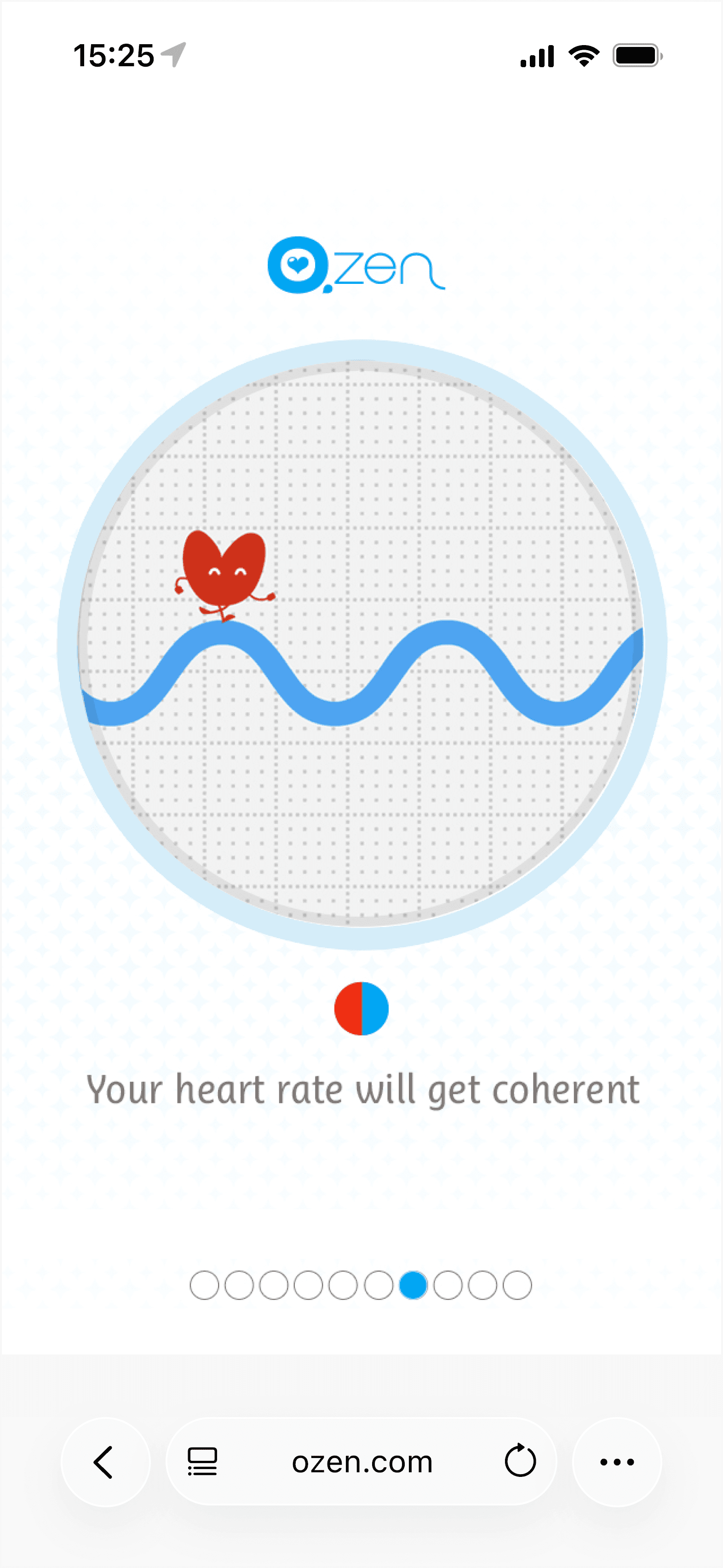
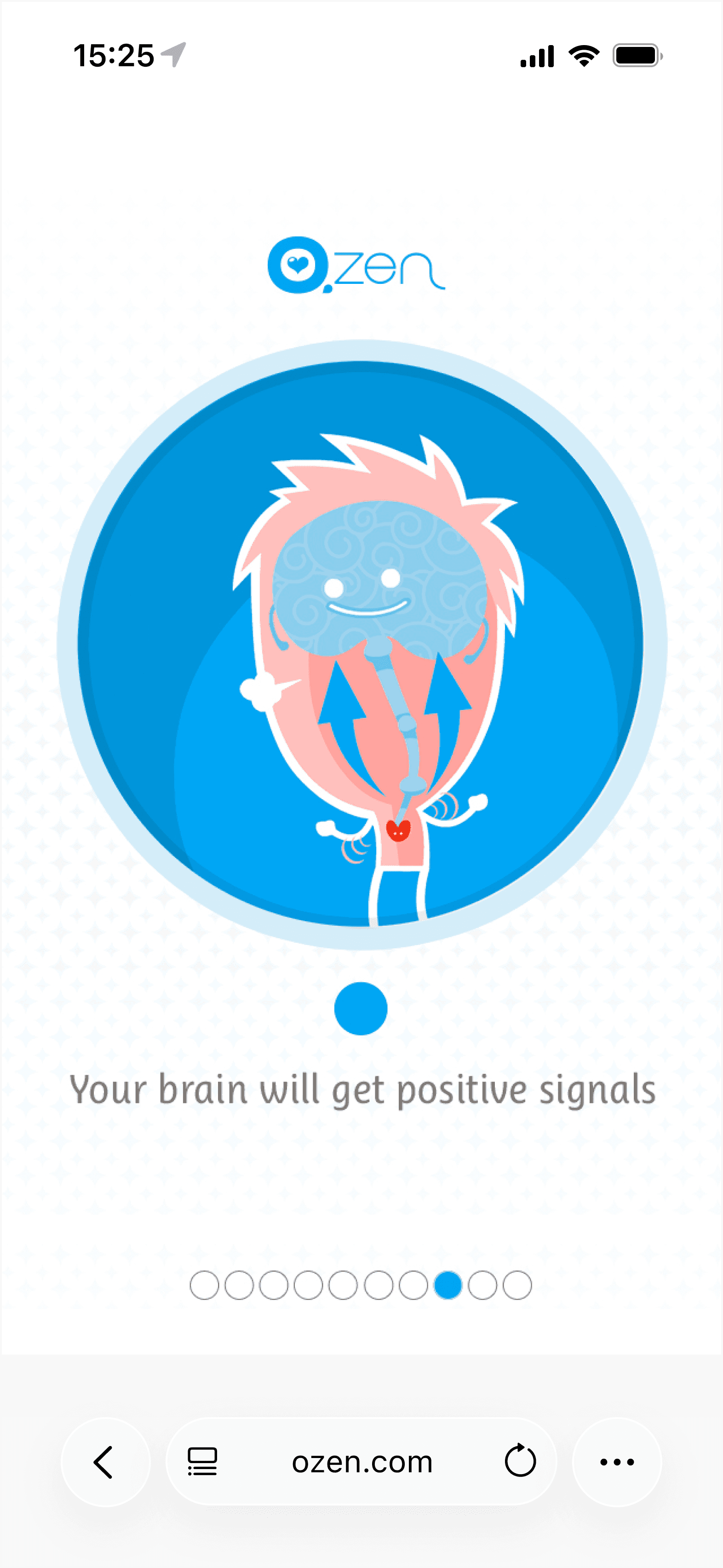
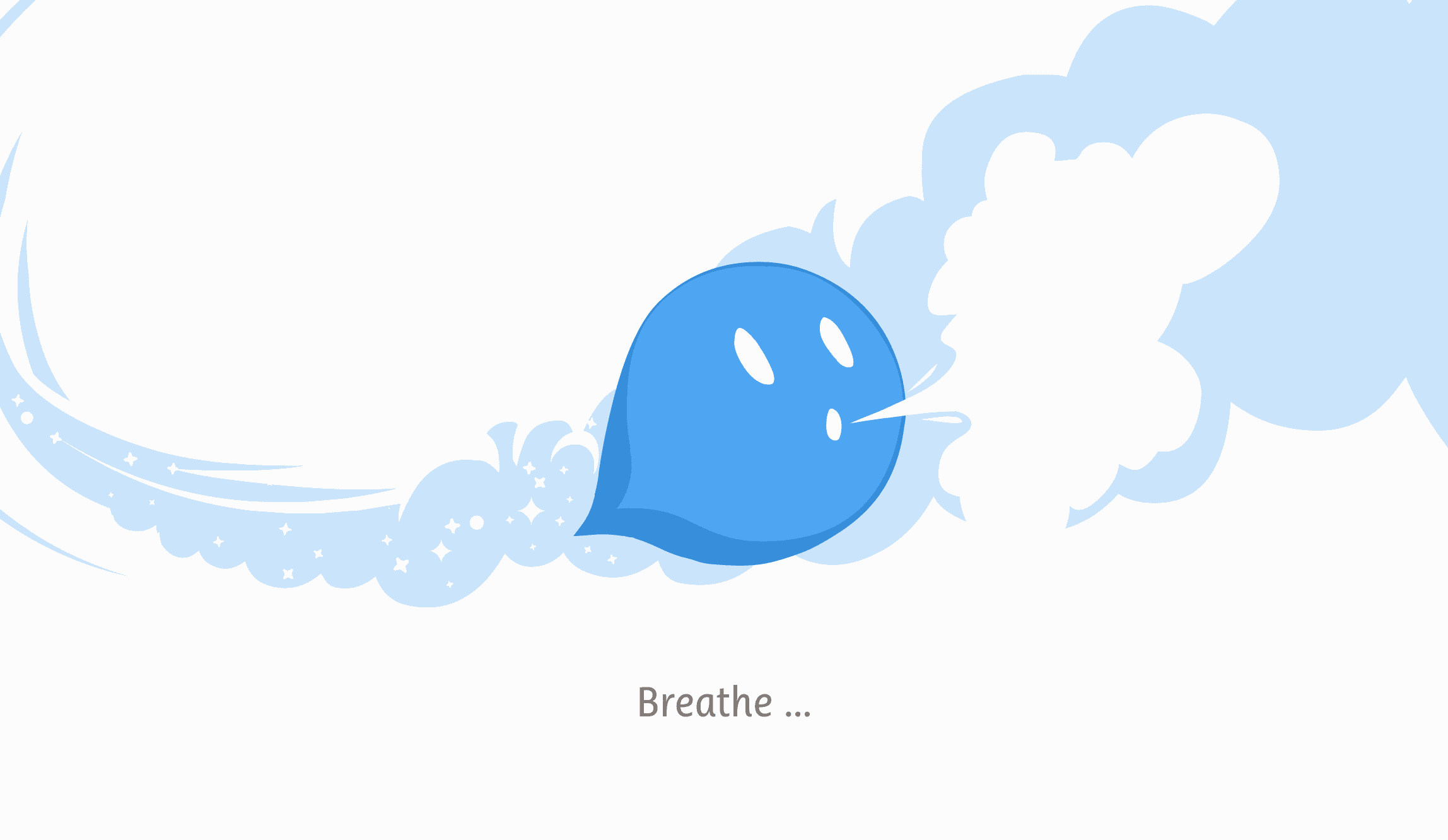
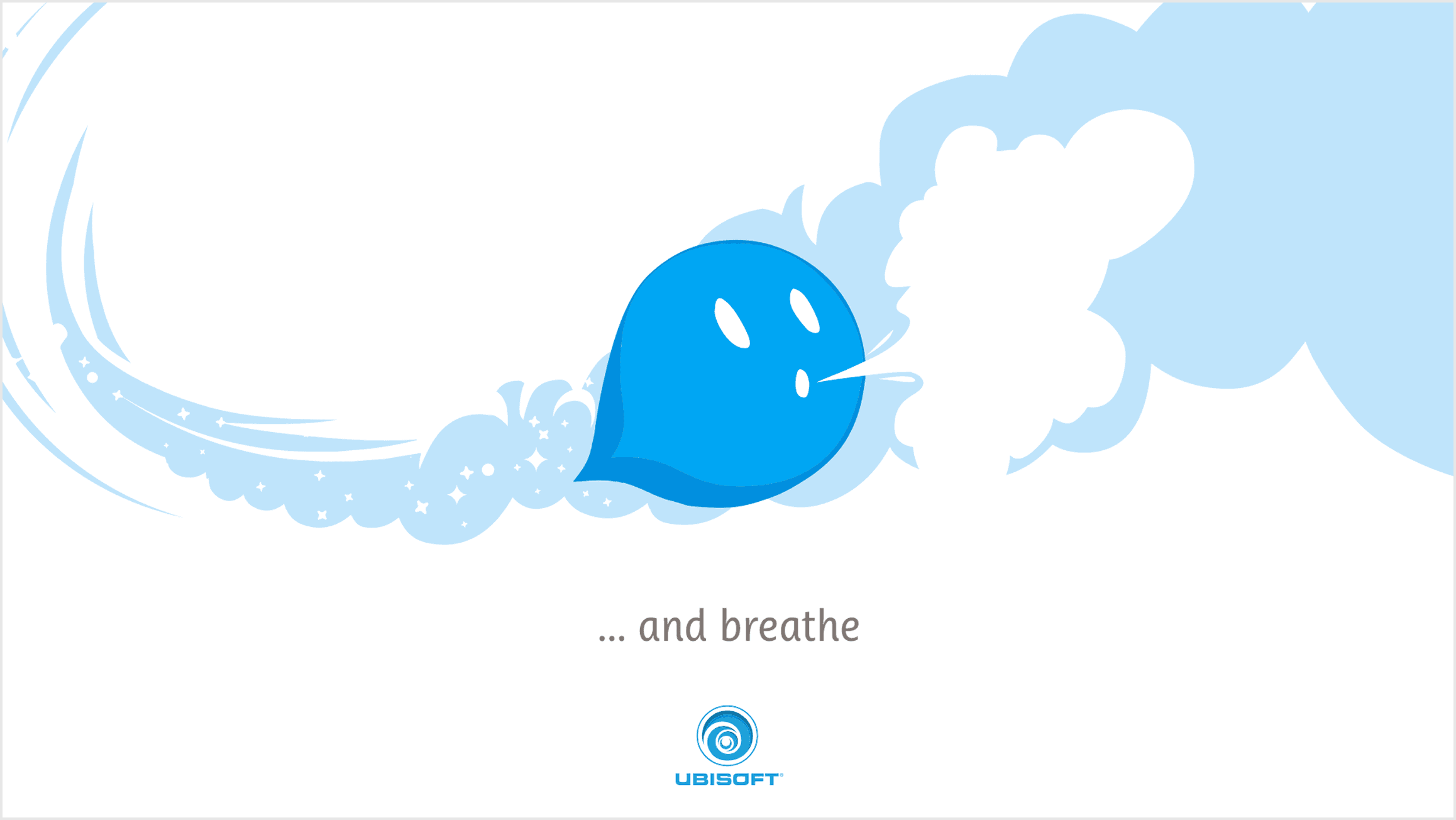
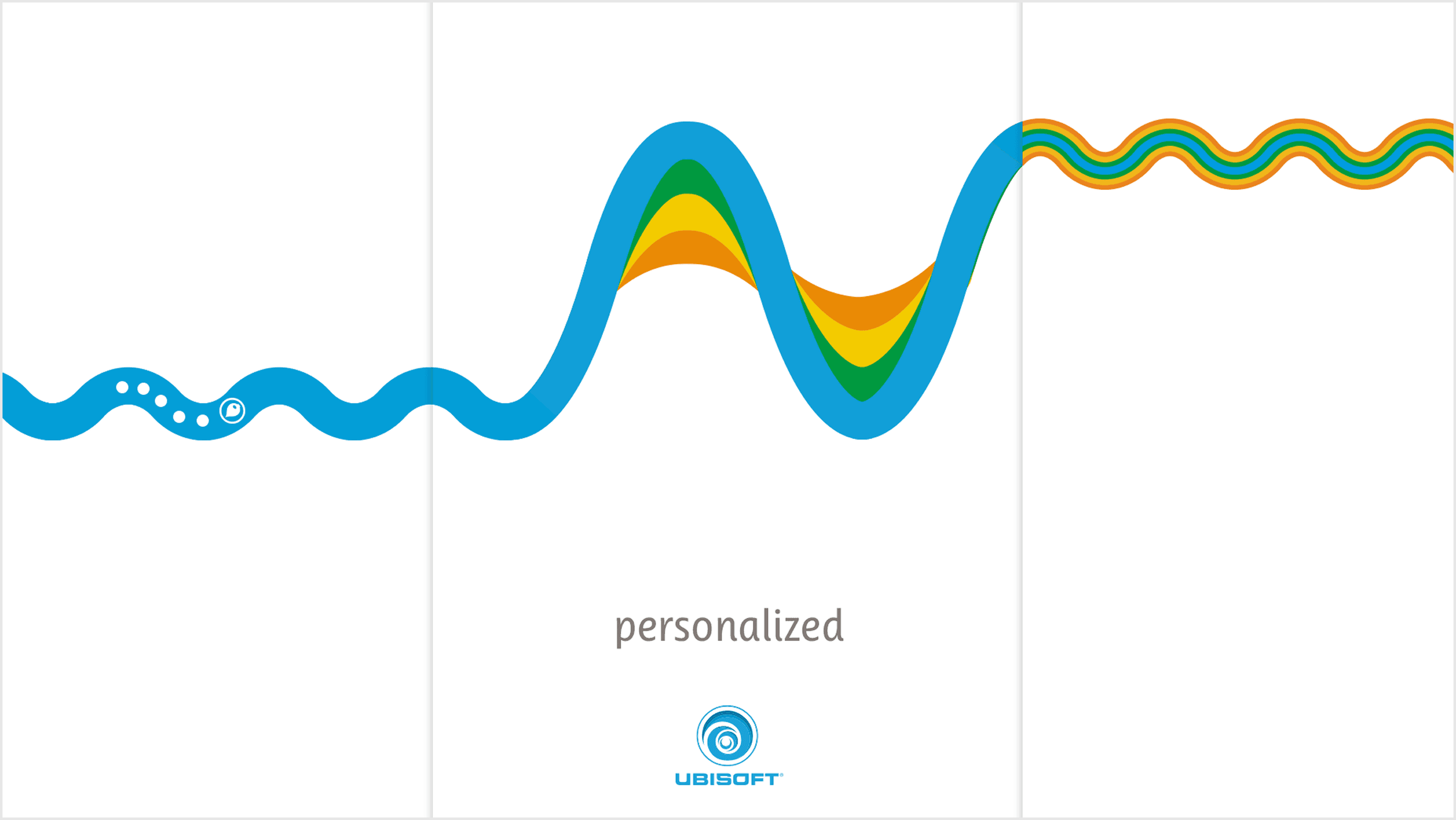
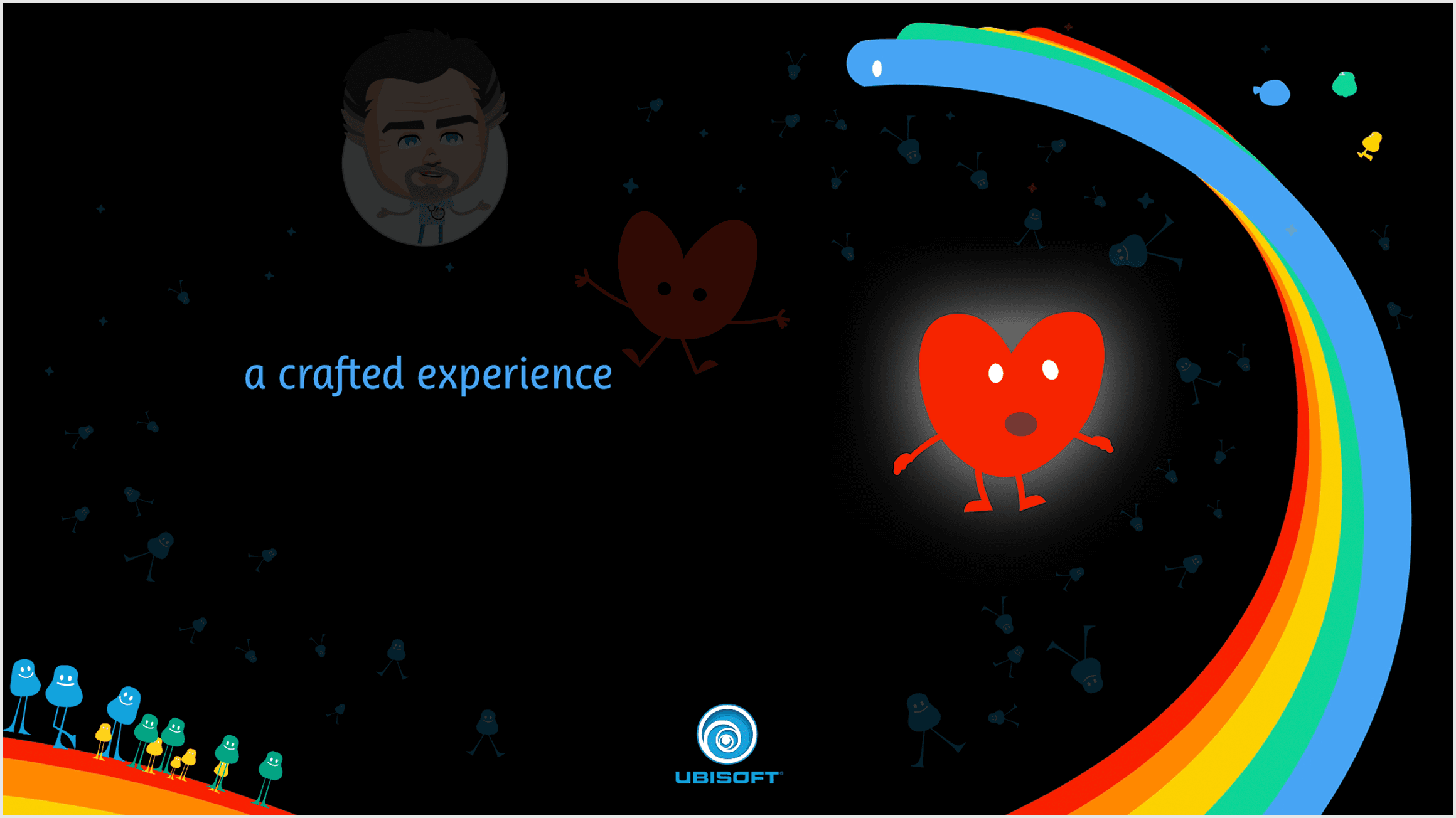
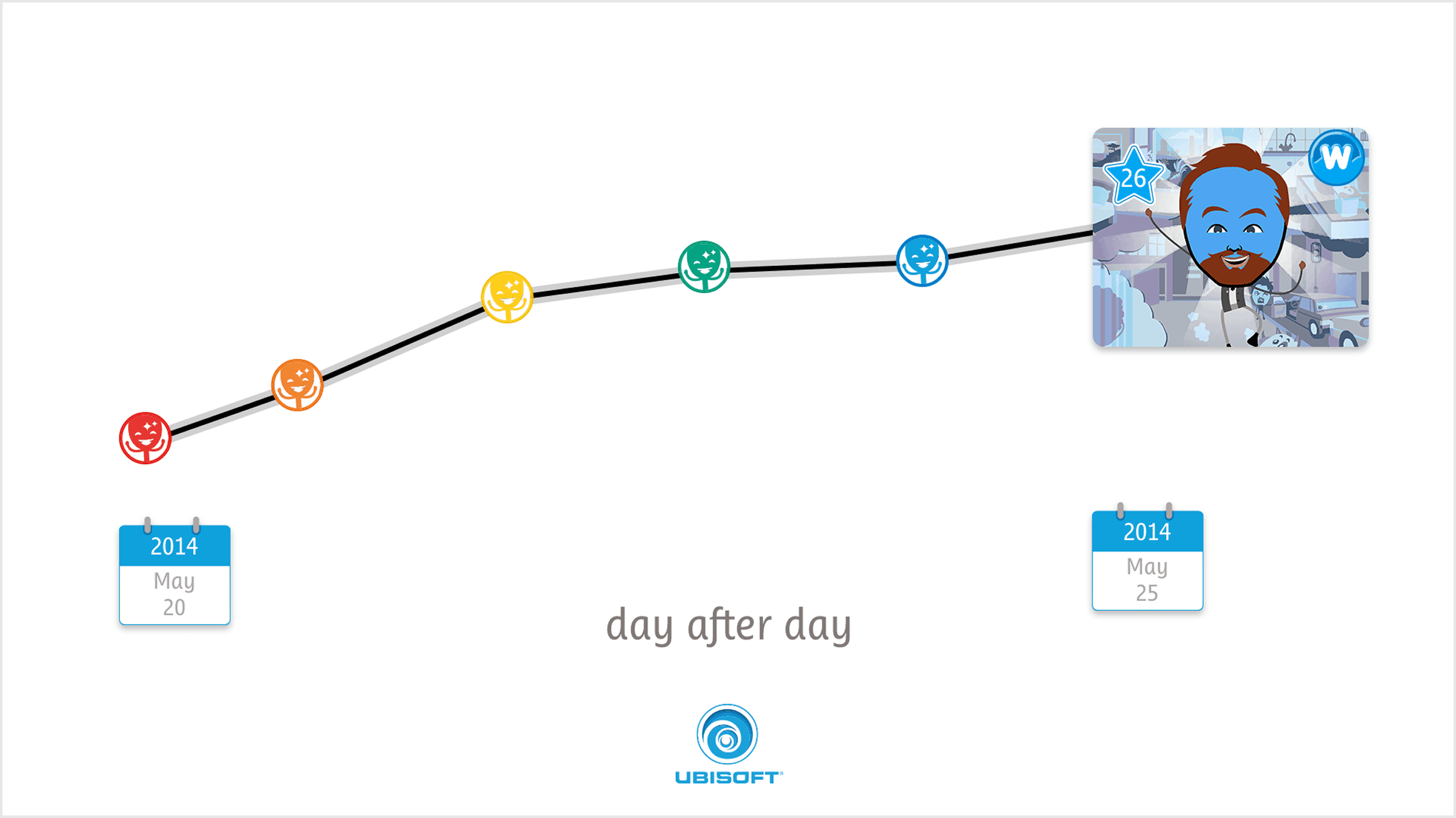
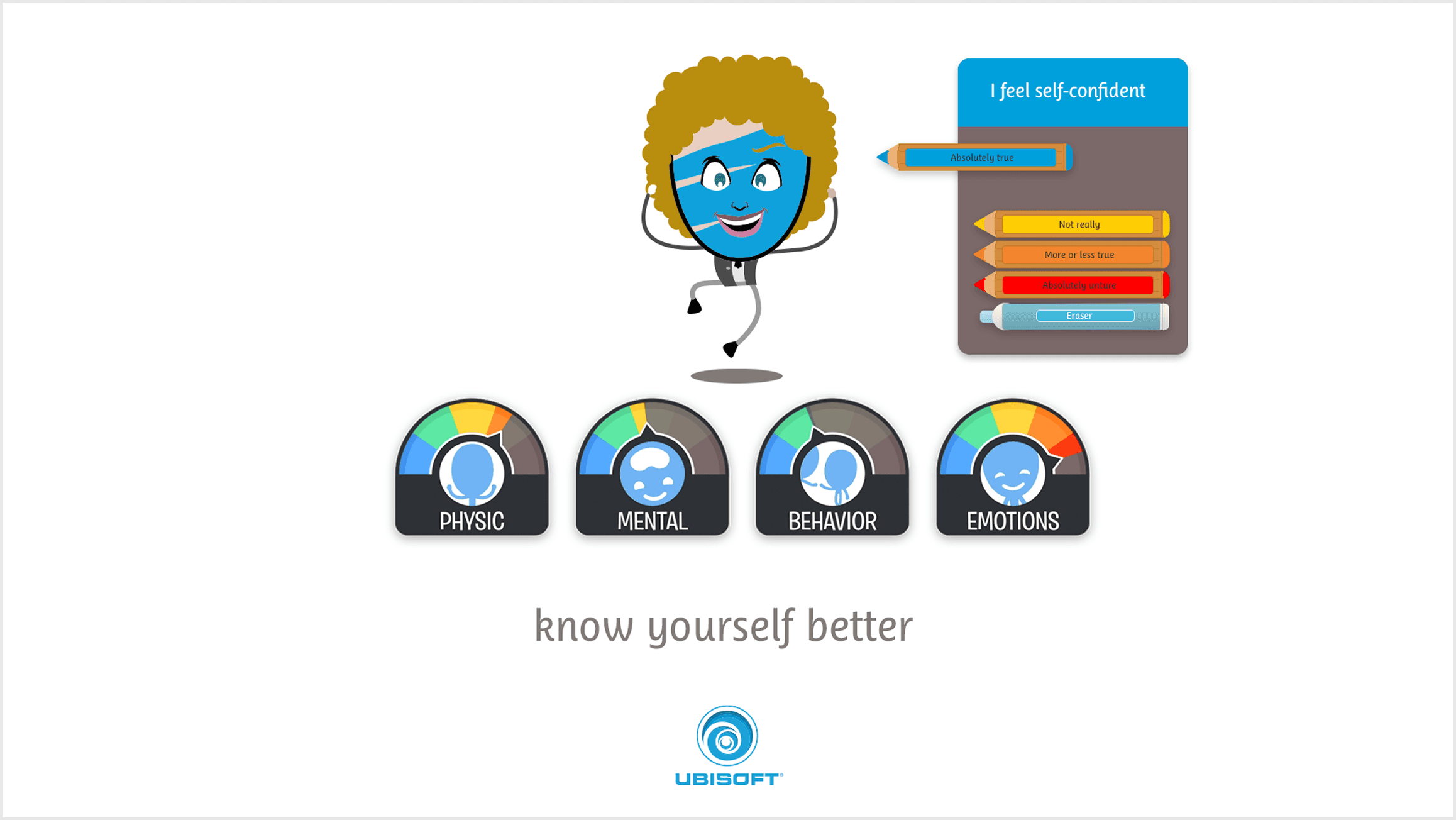
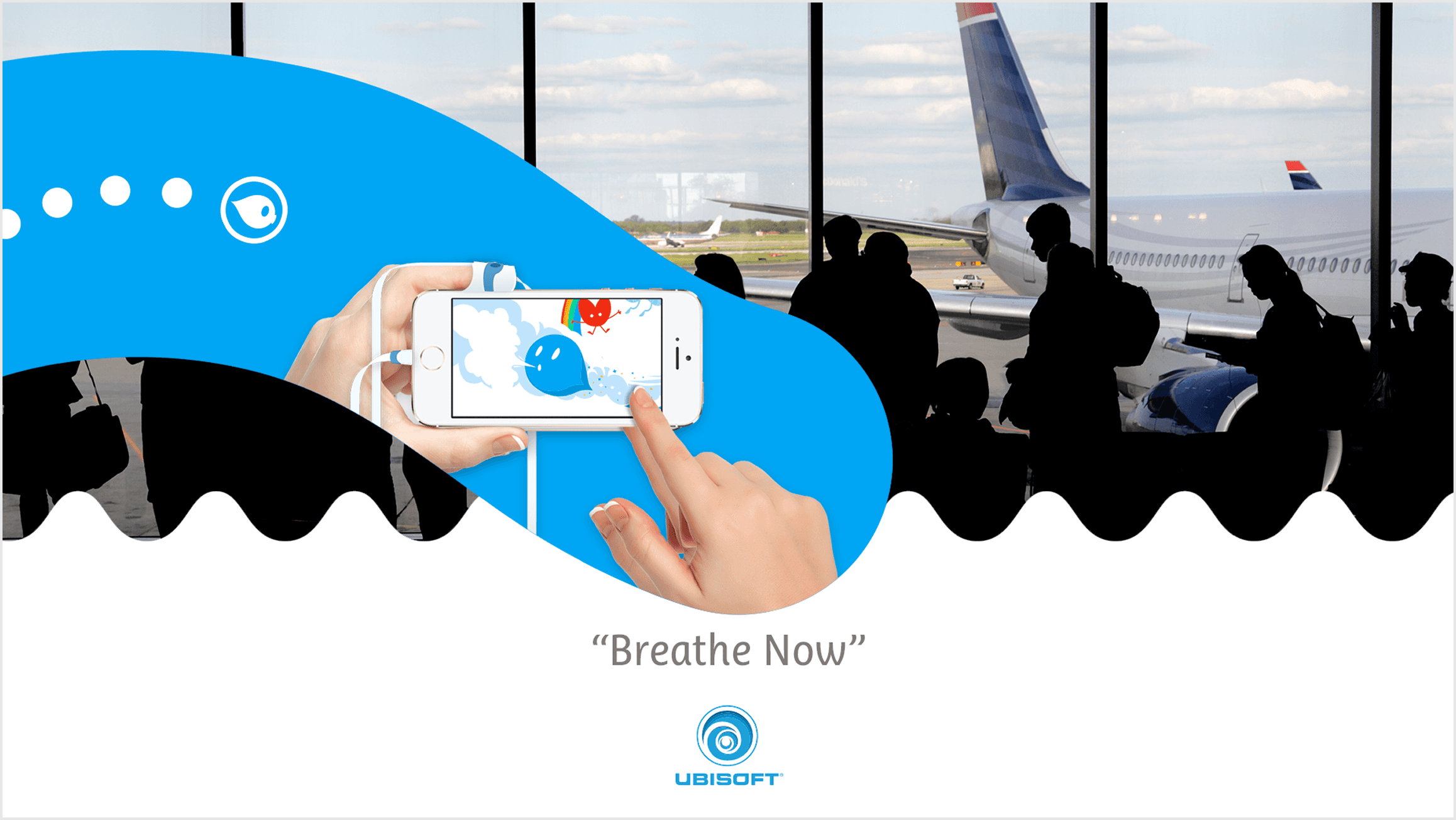
We reframed O.zen around one creative principle: “breathe.” The idea structured the entire ecosystem, product, interface, messaging, and identity. The experience was rebuilt around short, sensory sessions, accessible anywhere, helping users visualize their heart rhythm in real time. Breathing became interactive, immersive, and measurable, a bridge between emotion and data. The new design invited users to pause, observe, and feel coherence returning through the rhythm of light and sound. This poetic simplicity transformed O.zen from a game into a daily well-being ritual, where technology supports inner balance.
Designing for mobility.
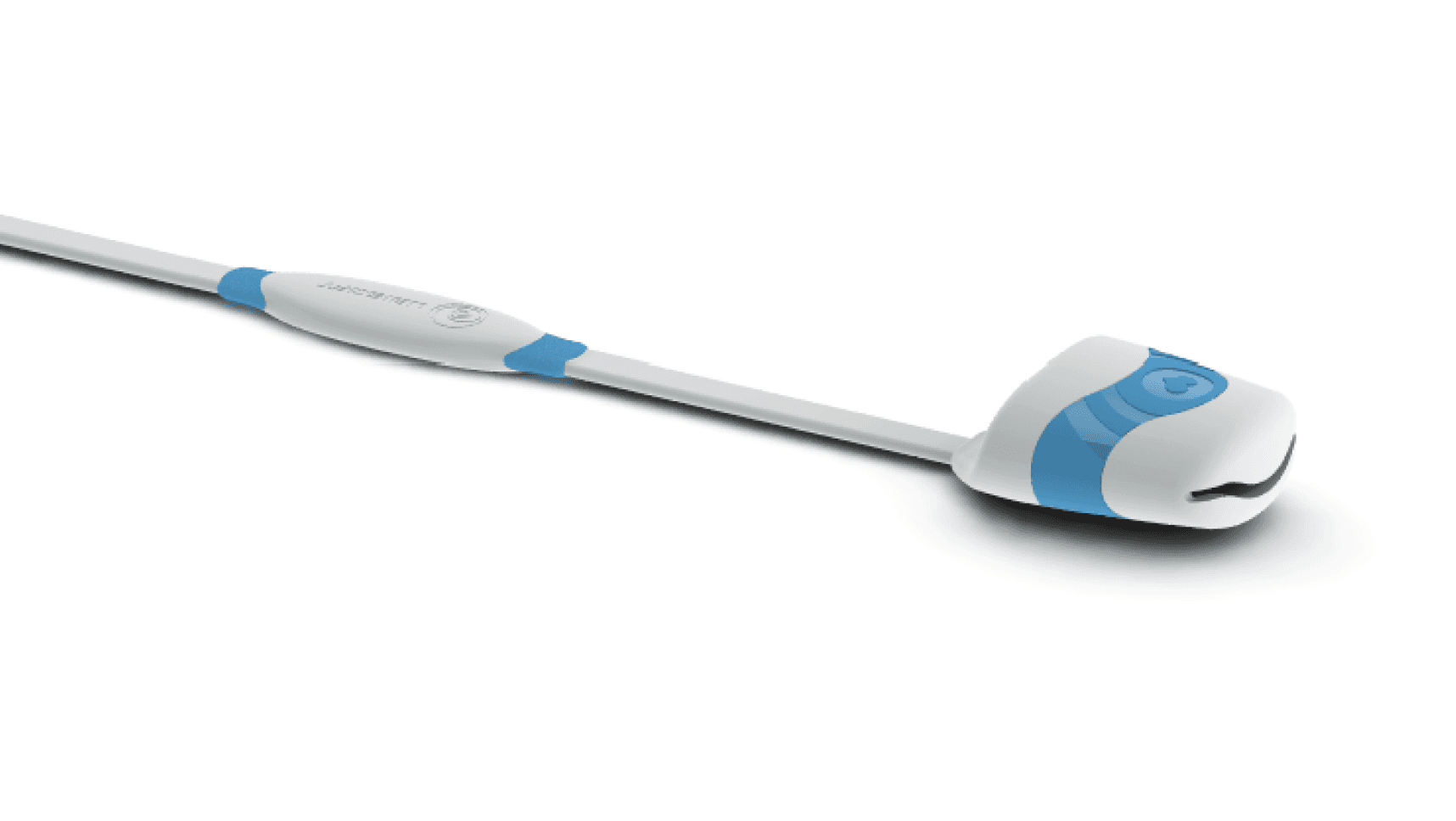
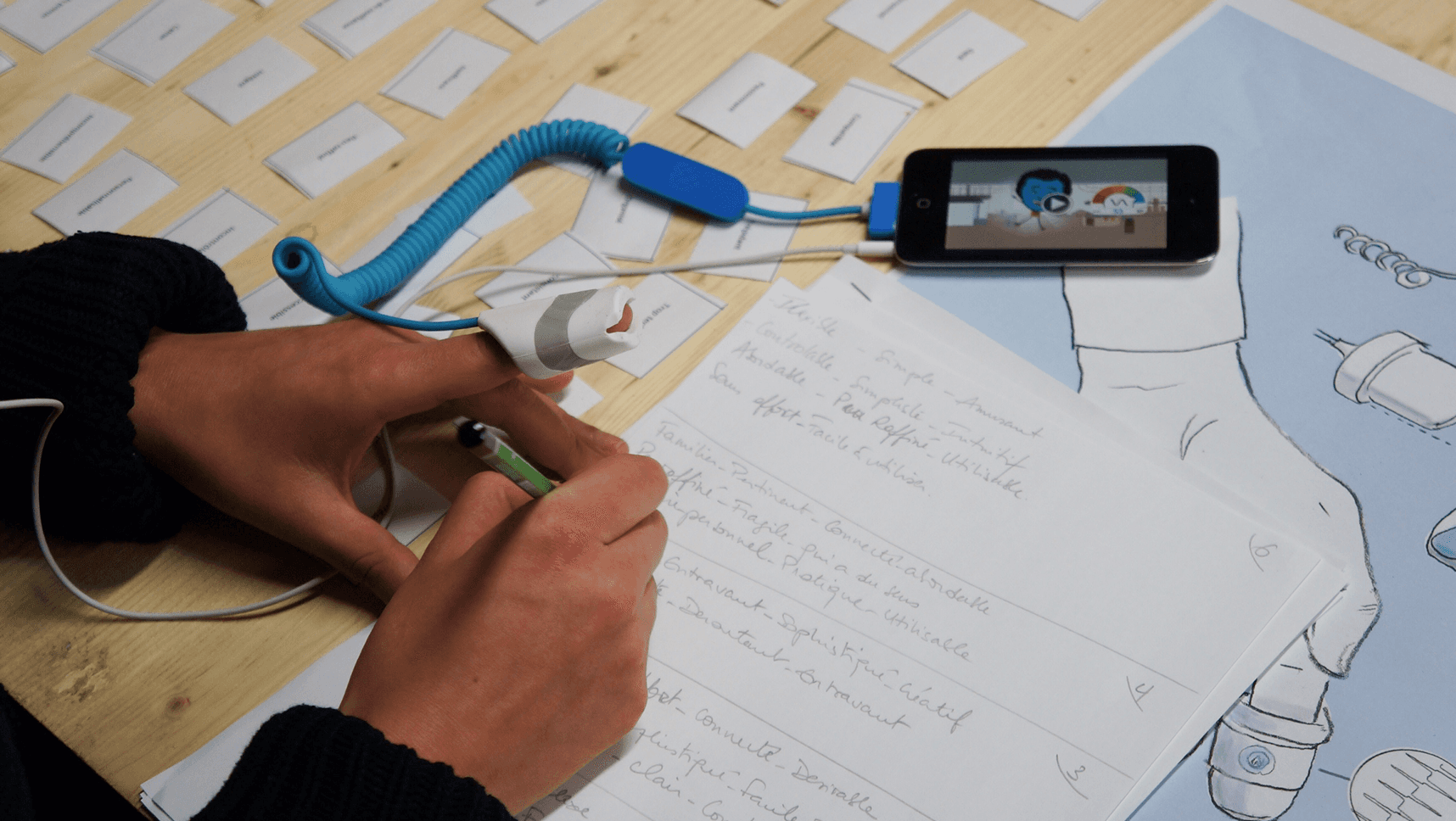
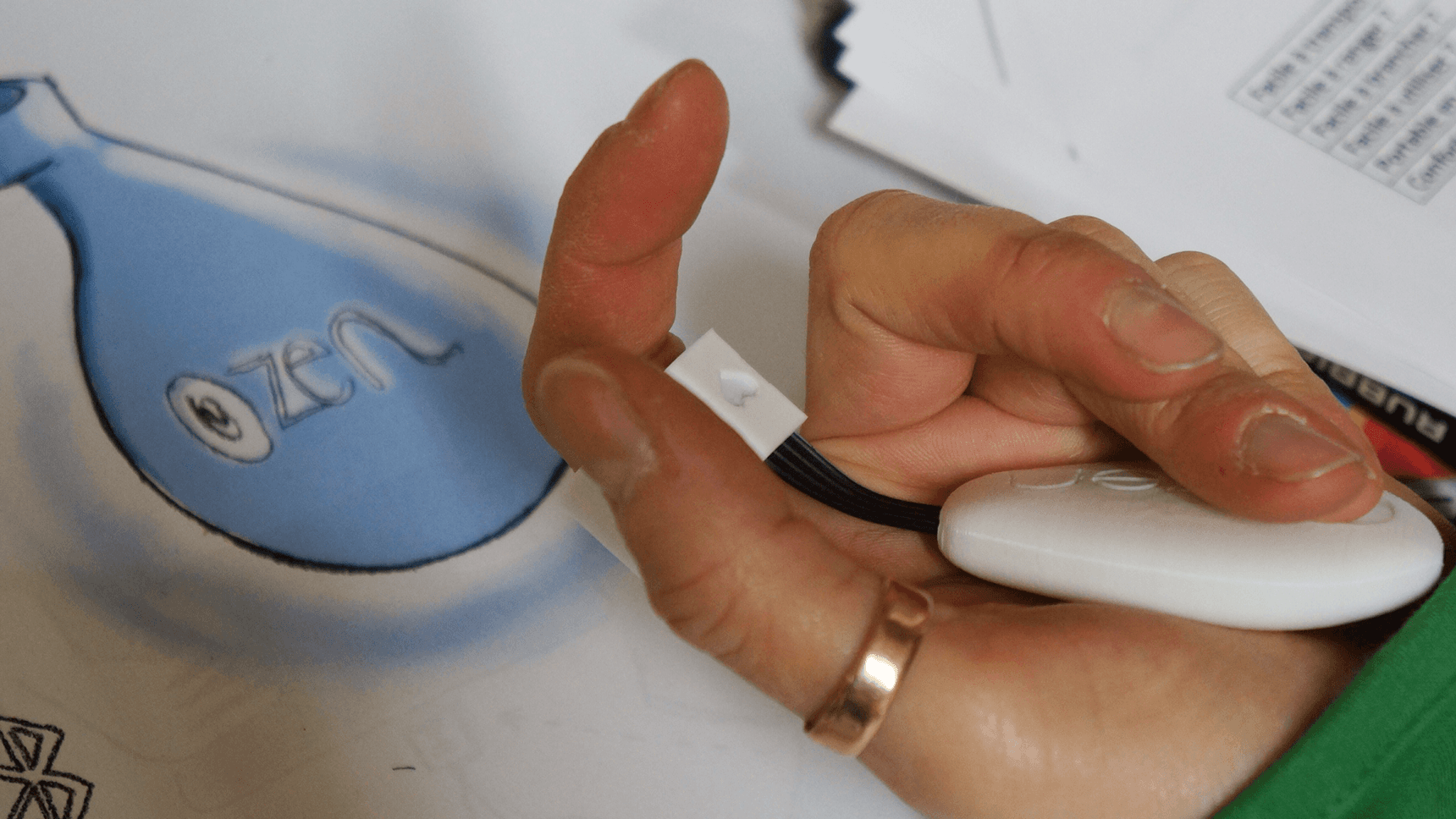
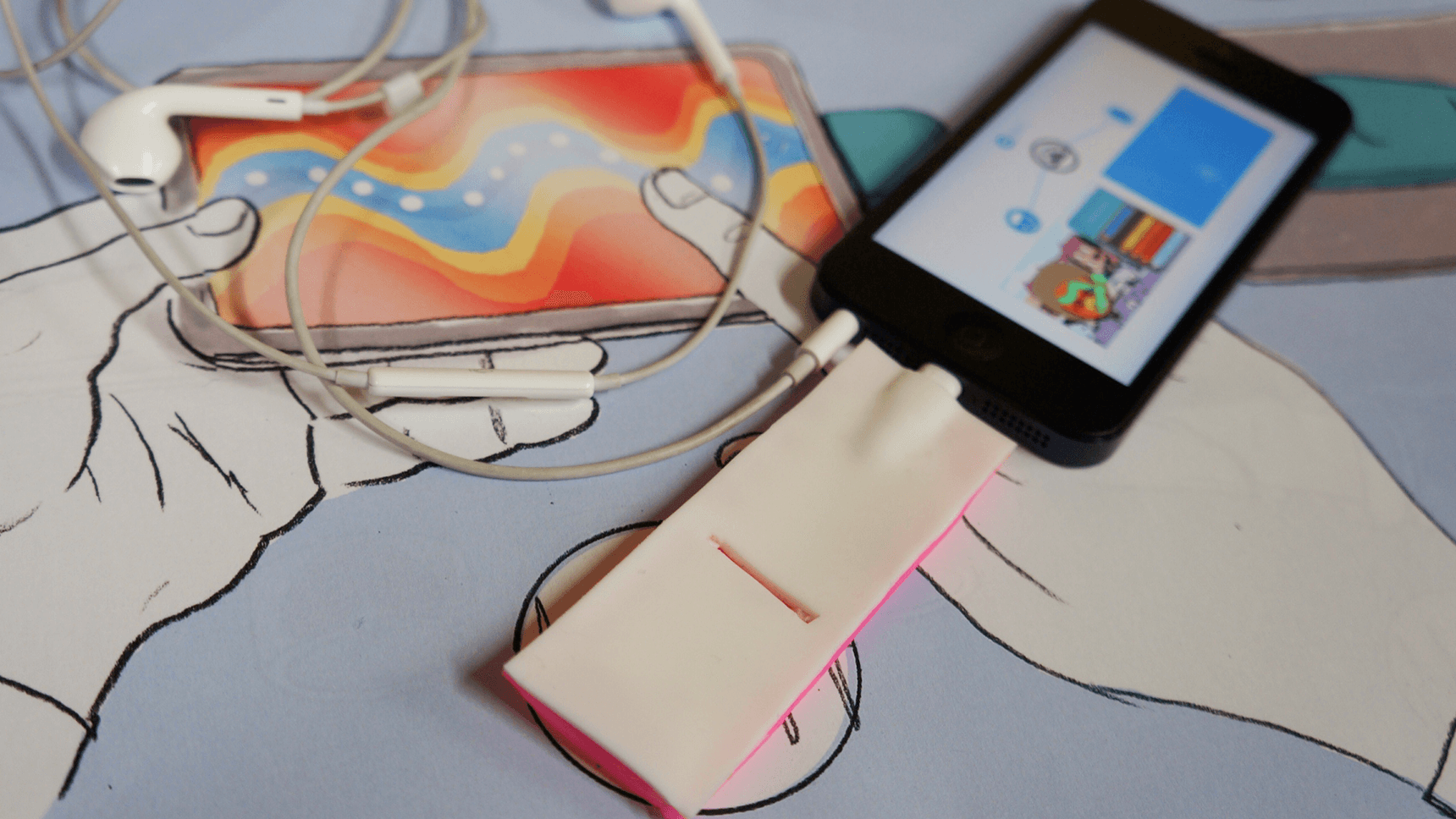
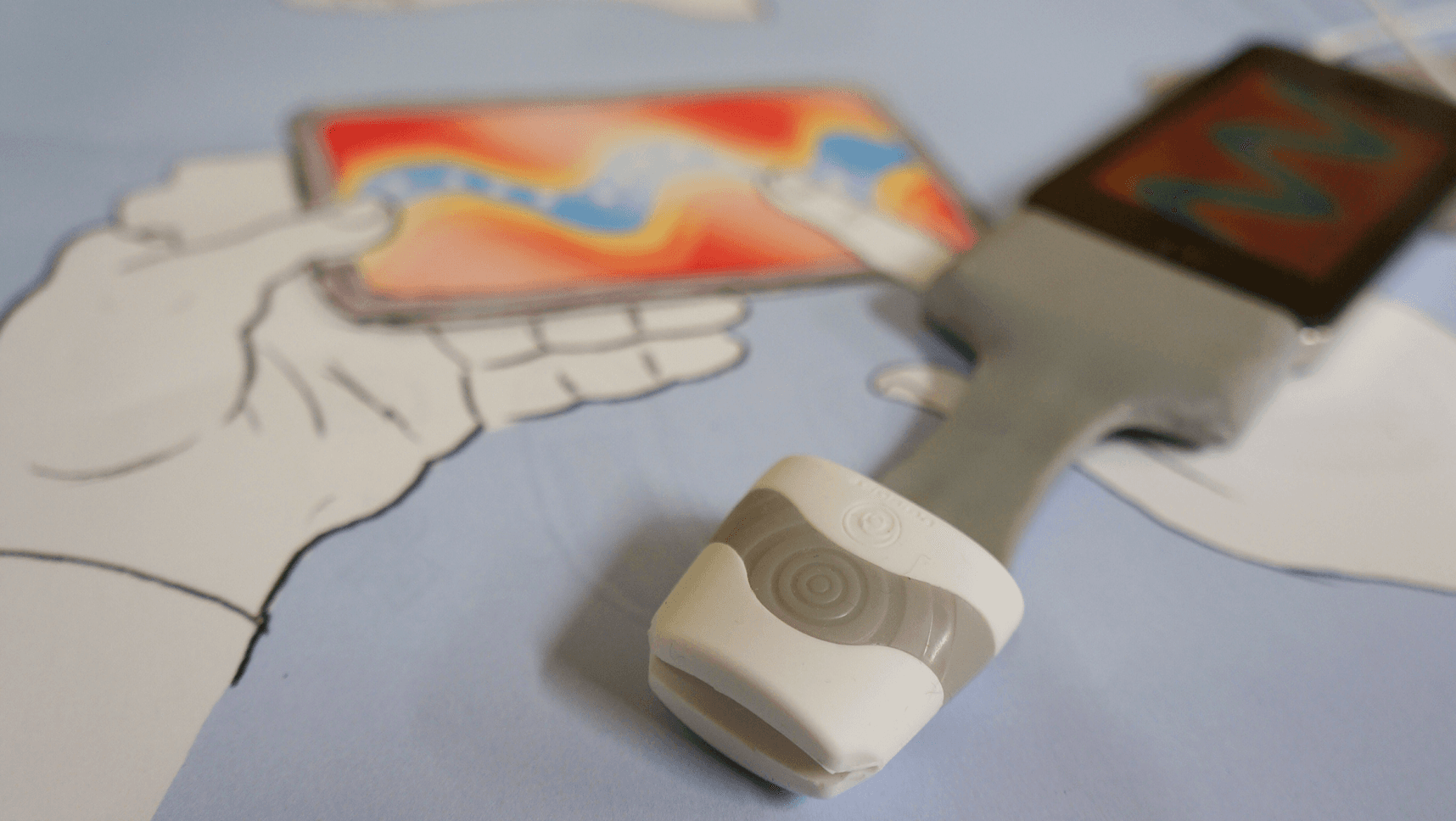
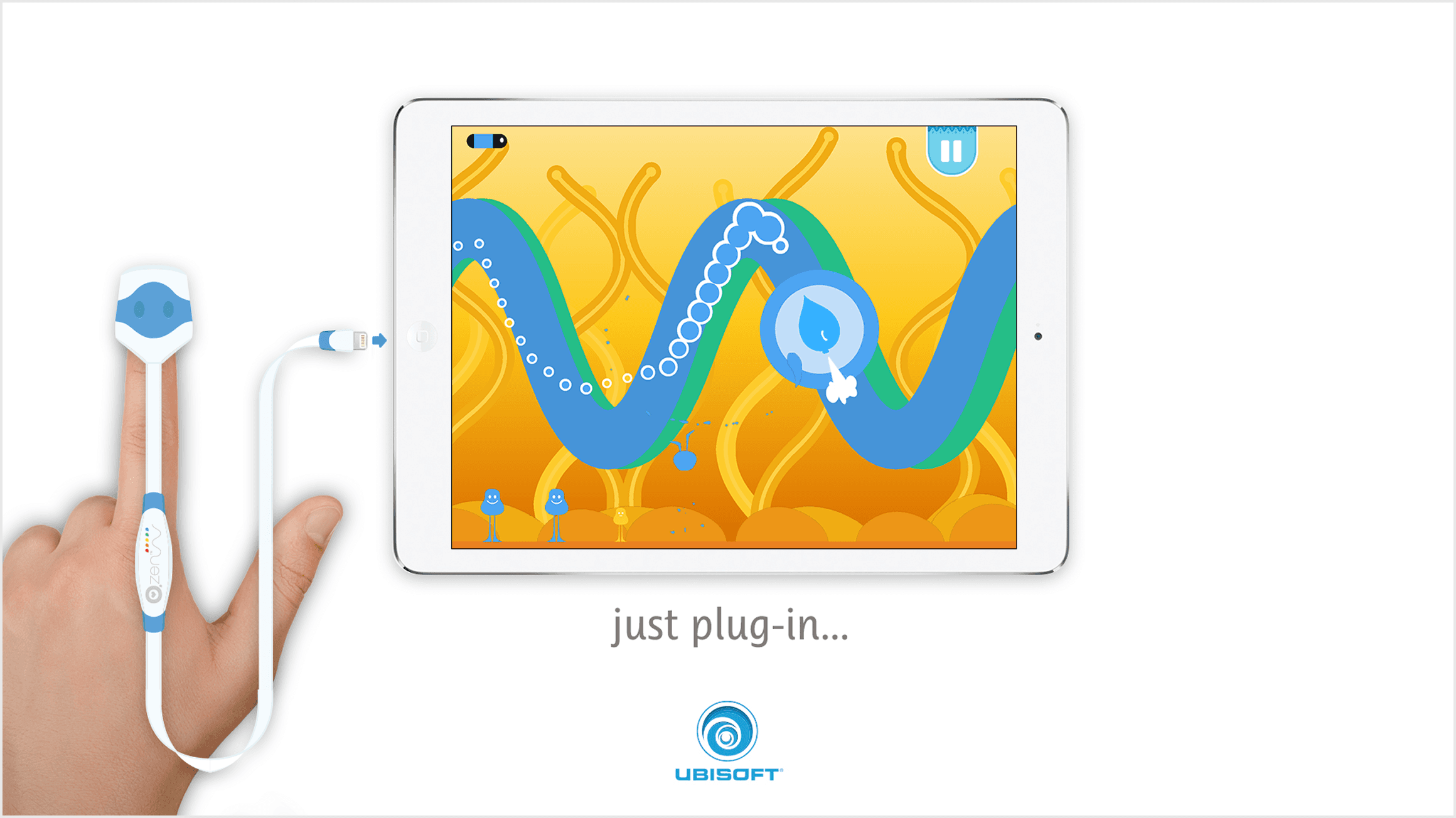
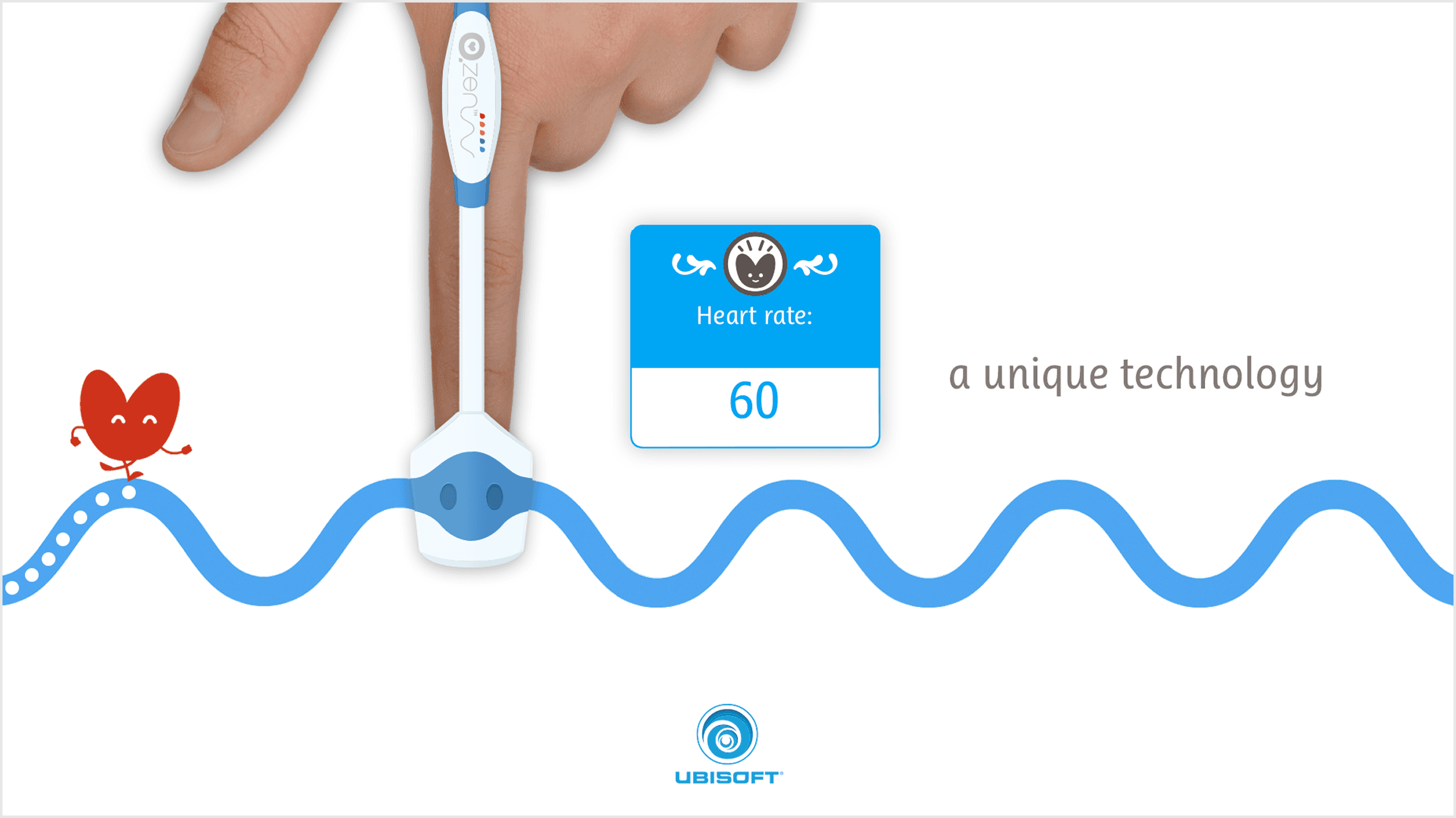
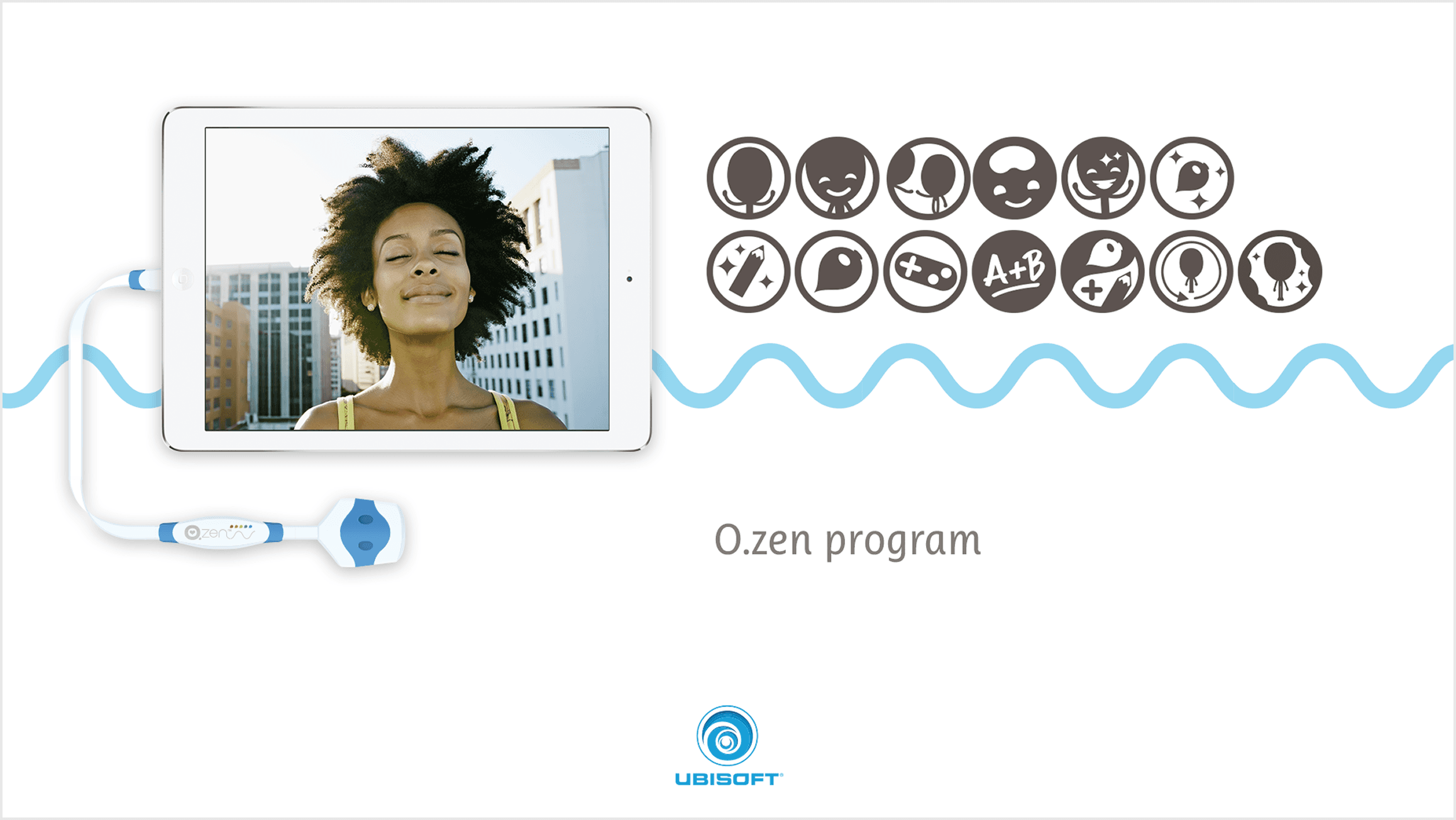
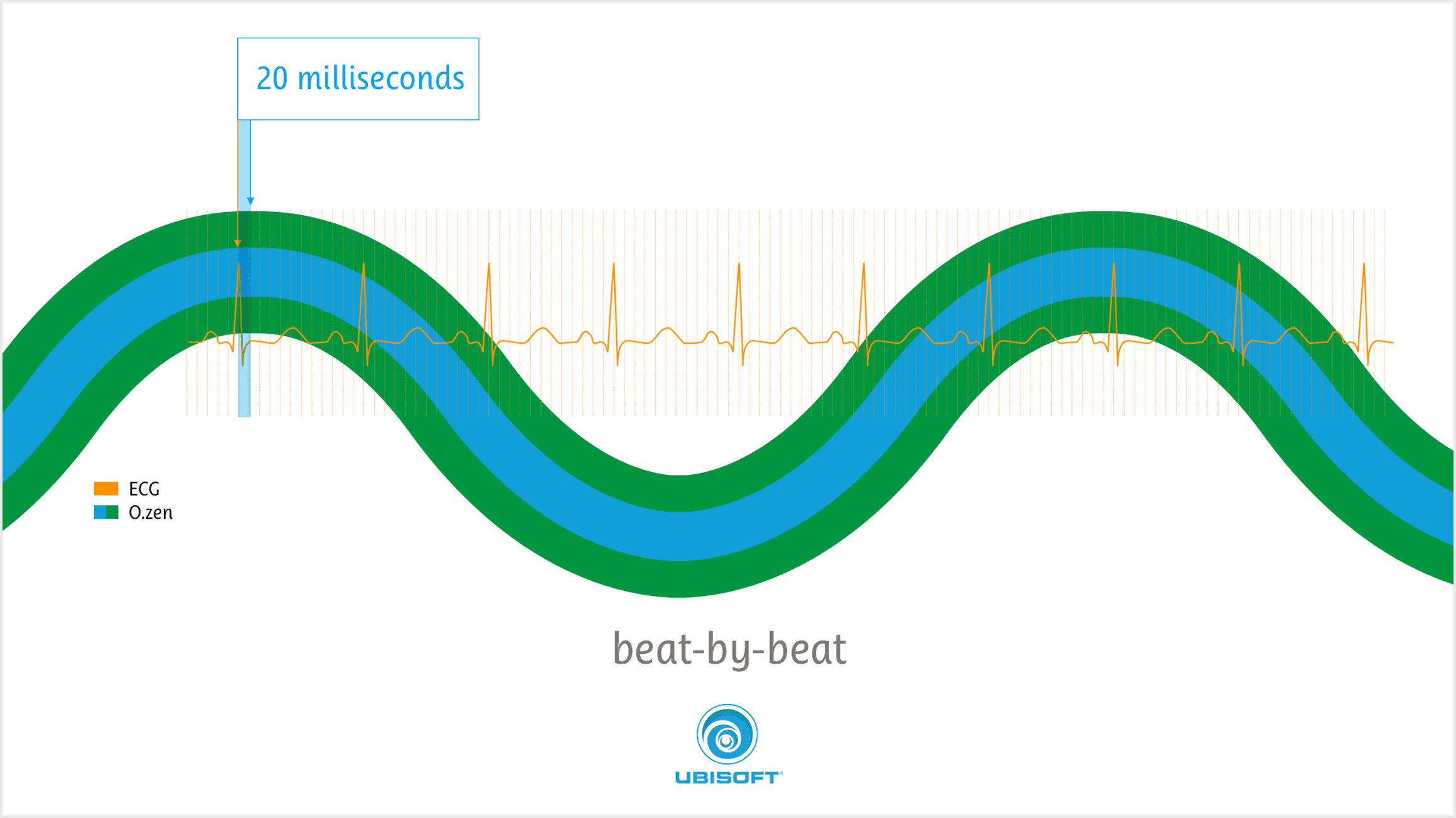
To make O.zen fit modern life, its hardware had to change. The original hospital-like sensor was redesigned for movement and comfort. In a two-week design sprint, five prototypes were developed and tested with users. The result was a compact, flexible, and robust sensor, wearable on the finger, connecting seamlessly to a smartphone or tablet.
It measured heart rate and oxygen in real time, turning cardiac coherence into an effortless daily ritual. Alongside, SOUFFL refined the business and launch strategy: a direct-to-consumer model targeting young urban women, early adopters of wellness and design, key to O.zen’s diffusion.